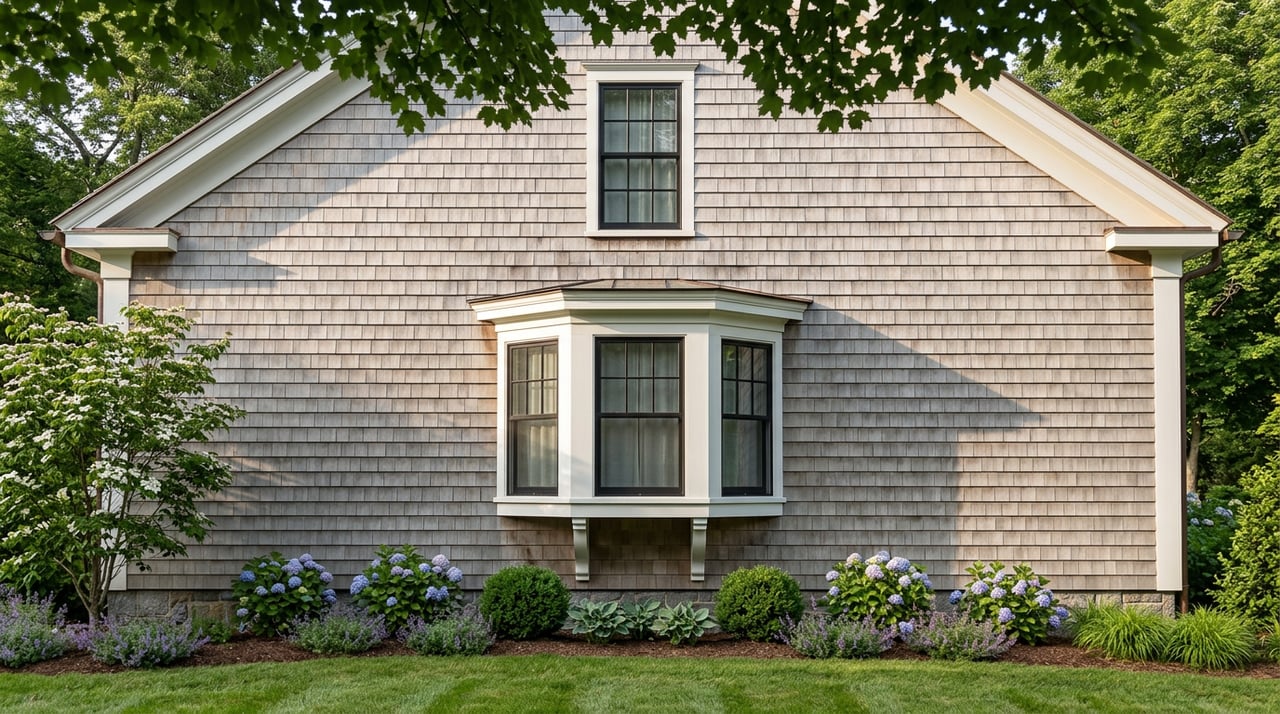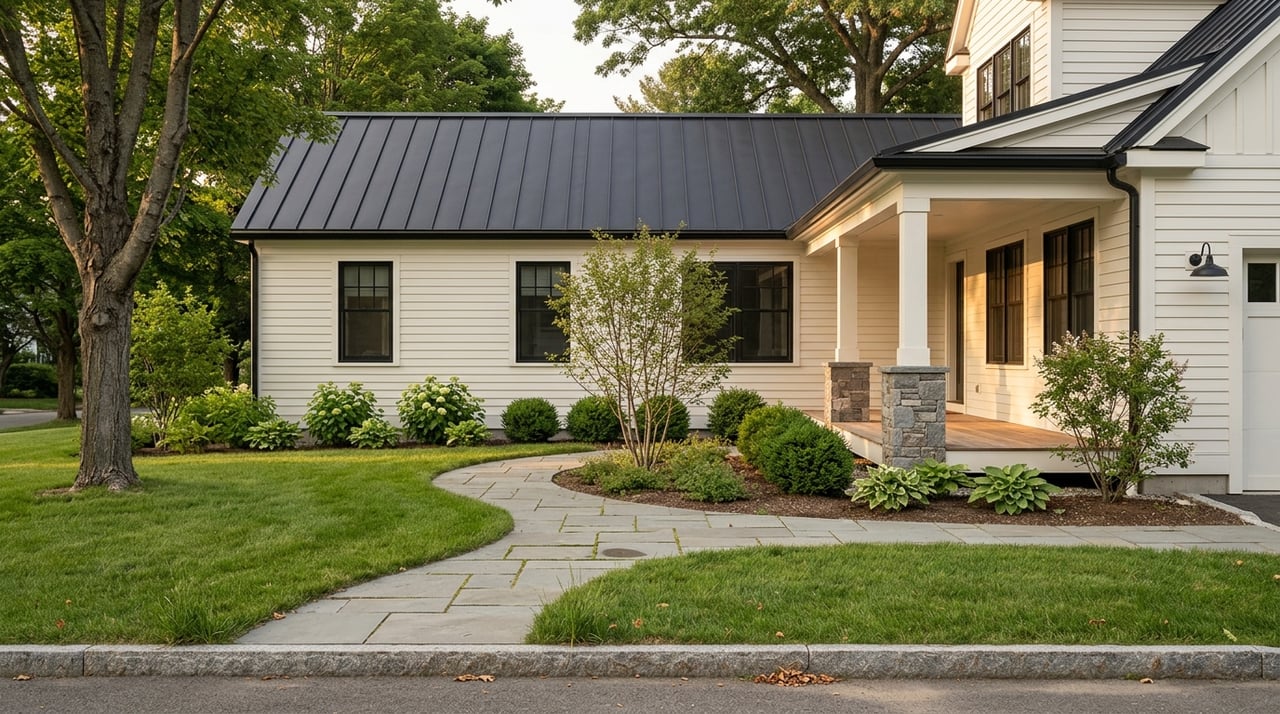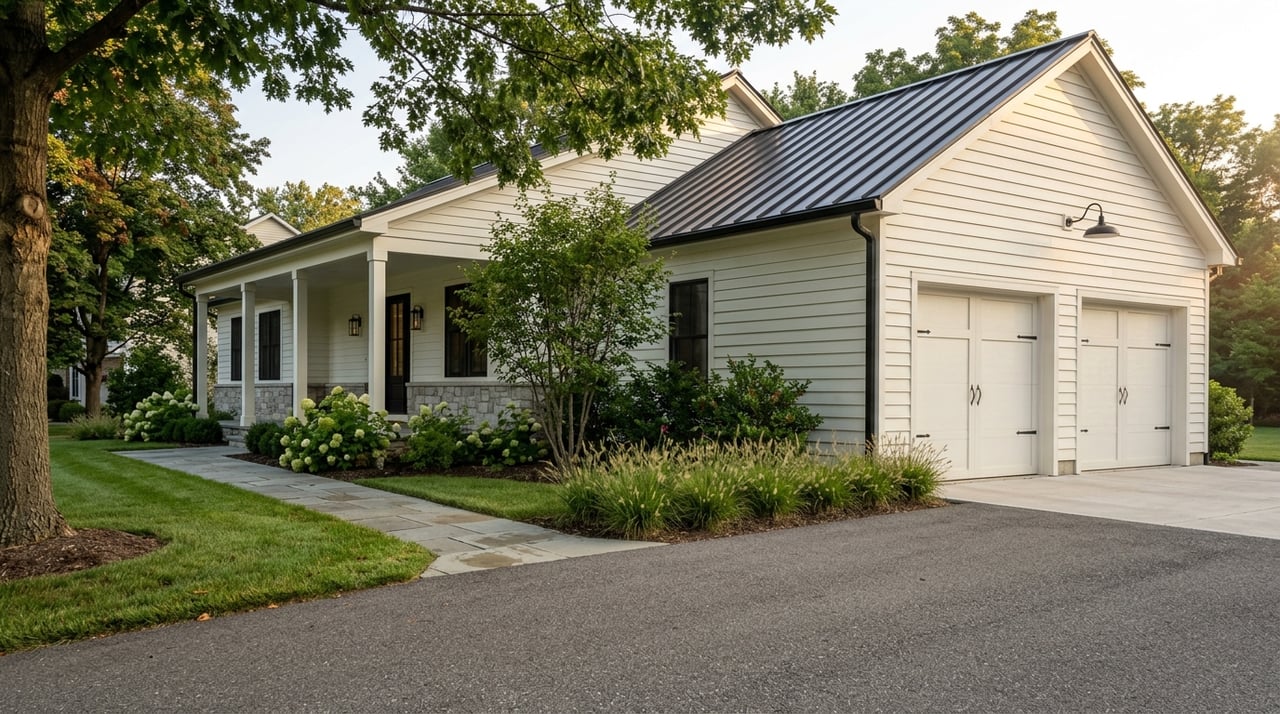
Are you getting ready to sell in Onondaga County and hoping for a smooth, drama-free closing? You have more control than you think. A seller pre-inspection helps you find and fix the issues that often derail deals here, especially with our winters and older housing stock. In this guide, you’ll learn what to check, how to prioritize repairs, typical costs, and the documents that give buyers and lenders confidence. Let’s dive in.
Why pre-inspection helps in Onondaga
A pre-inspection identifies material defects and likely buyer or lender concerns before you list. When you tackle key items early, you can reduce surprise repair requests, speed up closing, and protect your net proceeds.
Local conditions make this even more important. Central New York winters and freeze–thaw cycles can lead to roof wear, ice dams, and basement moisture. Many homes in Syracuse and nearby suburbs were built in the early to mid 20th century, which can mean legacy wiring, older heating systems, or lead-based paint in pre-1978 properties. Mixed utilities are common too, with wells and septic in rural areas and municipal service in town. Buyers and lenders pay close attention to these items.
What to check before you list
Exterior, roof, and drainage
- Roof: Look for curling or missing shingles, aging, and staining that suggests ice dams. Replace missing shingles, repair flashing, and clear gutters.
- Gutters and downspouts: Keep channels clean and ensure downspouts move water away from the foundation. Add extensions or regrade soil as needed.
- Grading: Correct low spots near the foundation so water sheds away. Add compacted topsoil where needed.
- Chimney and masonry: Check for cracked mortar or loose bricks after freeze–thaw. Tuckpointing or cap replacement may be required.
Foundation and moisture control
- Watch for efflorescence, musty odors, or visible cracks. Test sump pumps if you have them.
- In crawlspaces, verify insulation and a proper moisture barrier.
- Quick fixes include sealing minor cracks, servicing or installing a sump pump, and adding dehumidification. Significant cracks or movement call for professional evaluation.
Attic, insulation, and ventilation
- Confirm insulation depth is even and adequate. Check that soffits and baffles are clear and ventilation is working.
- Look for pest damage. Seal penetrations and add insulation as needed to reduce ice dam risk and prolong roof life.
Heating, plumbing, and water systems
- Heating: Age and service history matter, especially for winter closings. Schedule a professional tune-up and keep service records.
- Water heater: Check for leaks and proper safety valve function. Replace failing units and secure tanks.
- Plumbing: Look for leaks, poor water pressure, and slow hot water delivery. Insulate exposed pipes and repair leaks.
- Wells and septic: For rural properties, test well water and inspect septic systems. Pump the septic tank and document inspections.
Electrical and safety items
- Panels and wiring: Note undersized panels, older brands with known issues, or knob-and-tube wiring. Install GFCI protection where required and repair loose connections.
- Safety features: Confirm smoke and CO detectors are present and working. Repair loose handrails and steps.
Environmental and health
- Lead-based paint: For pre-1978 homes, prepare required disclosures and lead awareness documentation.
- Radon: Consider pre-listing testing and mitigation if levels are elevated.
- Asbestos and other legacy materials: Identify potential materials in older homes and plan appropriate handling or disclosure.
- Underground oil tanks: Determine presence and status. Leaking tanks require professional remediation.
Simple cosmetic wins
- Tidy gutters, touch up peeling paint, and trim landscaping. Repair broken screens and adjust sticky doors or windows. These small fixes improve perception during showings.
Repair triage: what to fix first
- Safety and code items
- Fix electrical hazards, major leaks, gas or CO risks, and unstable stairs or porches. These issues can stop a sale and create liability.
- Lender and appraisal triggers
- Address roofs near end of life or with active leaks, non-functioning heating systems, major foundation movement, and failed sump pumps. Lenders may require these repairs before funding.
- Moisture and recurring objections
- Handle basement dampness, mold concerns, and drainage issues. For rural properties, resolve well or septic problems. These are common negotiation flashpoints.
- Minor repairs and maintenance
- Caulking, paint touch-ups, window and door adjustments, and broken hardware. These reduce buyer doubt at low cost.
- Optional cosmetic upgrades
- Save kitchen or bath remodels for cases where they clearly match neighborhood expectations. They are not usually needed to close.
Costs and your decision playbook
Typical ranges vary by contractor and season, but here are ballparks to help you plan:
- Minor roof repair or flashing: low hundreds to low thousands
- Roof replacement for smaller homes: several thousand to 10k–15k+ depending on size and materials
- Sump pump install: a few hundred to a few thousand
- Small masonry repairs: several hundred to a few thousand
- Furnace or boiler tune-up: about 100–300; replacement is several thousand
- Septic pumping: a few hundred; major repairs are many thousands
- Radon mitigation: a few hundred to low thousands
- Electrical safety repairs or GFCIs: low hundreds to a few thousand depending on scope
Use this decision framework:
- Will the issue stop the loan or sale? If yes, repair it.
- Would a reasonable buyer accept a credit instead of a fix? If yes, consider a capped credit or price strategy.
- Is the fix inexpensive and confidence-boosting? Do it.
- For bigger items, get 2–3 quotes and decide whether to repair, credit, or price accordingly.
Timeline that keeps closings on track
- 30–60+ days before listing: Order your general home inspection. Add radon testing and well water testing if applicable.
- After the report: Gather 2–3 quotes for priority items. Schedule work and confirm if any permits are needed with your municipality.
- Allow extra time for permits and contractor lead times, especially for roofing, structural, or environmental work.
When choosing professionals, look for licensed, insured providers with experience in older Upstate New York homes. Ask for sample reports, references, clear scopes of work, and written timelines.
Documents that build buyer confidence
Create a simple, well-labeled packet to speed decisions and reduce back-and-forth:
- Pre-inspection report
- Receipts and warranties for completed repairs
- Service records for major systems, including heating and septic pumping
- Permits and certificates of occupancy where required
- Any environmental test results, such as radon or well water
Onondaga red flags and how to prevent them
- Basement moisture or finished spaces with water history: Improve grading and gutters, service or install sump pumps, and document waterproofing work.
- Aging heating systems or oil tanks: Service systems, keep records, and document tank status.
- Legacy wiring or outdated panels: Install required safety devices and obtain an electrician’s assessment. Share estimates for larger upgrades if you do not complete them.
- Worn or leaking roofs: Repair or replace, or disclose and offer a fair credit if timing is tight.
- Septic or well issues: Inspect, test, pump, and repair as indicated. Provide documentation.
- Elevated radon: Test and mitigate before listing, or disclose results and your mitigation plan.
Smooth closing options when issues remain
If time or budget is limited, you still have pathways to keep the deal moving:
- Make agreed repairs and provide invoices
- Offer a seller credit held in escrow for post-closing work
- Provide a limited home warranty for mechanical and electrical items to reassure buyers
Final thoughts
A smart pre-inspection gives you time to choose the most cost-effective fixes and present your home with clarity. In Onondaga County, that often means focusing on roof life, reliable heating, dry basements, and clean documentation. With the right prep, you can reduce surprises, meet lender expectations, and reach the closing table with confidence.
If you are planning to sell in Condado de Onondaga and want a local strategy for a smooth, on-time closing, let’s talk about the right pre-inspection plan for your property. Unknown Company can help you prioritize, coordinate, and present your home the right way.
FAQs
What is a seller pre-inspection in Onondaga?
- It is a home inspection ordered by you before listing to identify defects and likely buyer or lender concerns so you can repair, disclose, or price accordingly.
How does winter weather affect pre-inspections?
- Freeze–thaw cycles, snow, and ice dams can lead to roof wear, attic moisture, and basement water issues. Inspecting these areas early helps prevent loan delays and renegotiations.
Should I test for radon before listing my home?
- Yes, radon is a recognized risk across much of New York State. Testing and mitigating if needed can remove a common objection and reassure buyers.
What if my property uses a well and septic system?
- Plan to test well water, verify pump performance, and pump and inspect the septic system. Lenders often request documentation, and buyers expect recent records.
What repairs do lenders most often require here?
- Roofs with limited remaining life, non-functioning heating systems, major foundation movement, and failed sump pumps are common lender triggers in this area.
How far in advance should I schedule a pre-inspection?
- Aim for 2 to 8 weeks before listing. That timing allows for contractor bids, scheduling, and any required permits without rushing.