Thinking about buying or selling near Geddes and not sure whether an HOA community is right for you? You are not alone. Between dues, rules, amenities, and resale impacts, the choice can feel complicated. This guide breaks down how HOAs work in New York, what matters specifically around Onondaga Lake, and the practical pros and cons for both buyers and sellers. You will also get simple checklists so you can move forward with confidence. Let’s dive in.
HOA basics in New York
What an HOA or condo means
An HOA is a community organization that manages rules and shared upkeep for a neighborhood of single-family homes or townhomes. A condominium is a form of ownership where you own your unit plus a share of the common elements that a condo association maintains. In both setups, you pay dues, follow recorded rules, and the board can levy fines or special assessments. Cooperatives exist in New York as well, though they are less common locally and involve ownership of shares in a corporation.
How rules and fees work
You will see rules in documents like CC&Rs, bylaws, and community regulations. The board enforces standards, maintains common areas, and sets a budget each year. Well-run associations plan long-term repairs and hold reserves, which helps avoid surprises. For broad best practices on budgeting and reserves, you can explore the Community Associations Institute for general guidance and owner education.
New York legal context
New York has specific statutes and disclosure frameworks that affect condos, HOAs, and co-ops. These rules influence owner rights, offering plans, and resale disclosures. If you are evaluating a specific community, it is smart to have a real estate attorney review the governing documents and any resale package before you commit.
Geddes area considerations
Neighborhood types near Onondaga Lake
The Town of Geddes sits on the west and southwest shore of Onondaga Lake and borders parts of the City of Syracuse. You will find a mix of older single-family streets, some newer developments, and multifamily options. Newer planned communities, townhomes, and condos are more likely to have HOAs, while many older single-family areas are not part of an association.
Lake cleanup and local amenities
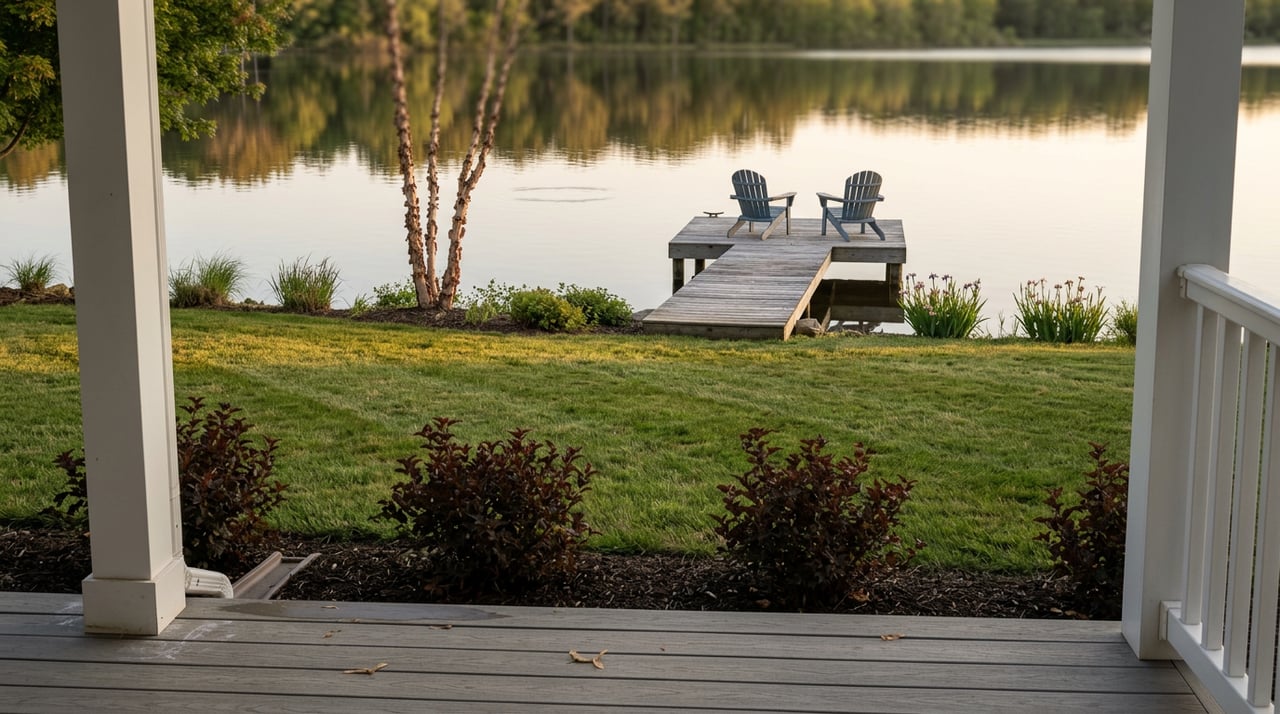
Onondaga Lake has undergone a long environmental remediation effort, with continuing monitoring and a revitalized park system. The improvements have shaped how buyers view nearby neighborhoods. If the lakefront lifestyle is important to you, explore the lake’s status through the New York State Department of Environmental Conservation and the amenities offered at Onondaga Lake Park.
Taxes, services, and commute
Property taxes and school district assignments vary across Onondaga County and between the Town of Geddes, nearby villages, and Syracuse neighborhoods. Municipal services like snow removal, water, and sewer differ by location. Always confirm your property’s jurisdiction and services through the Onondaga County Department of Assessment and the Town of Geddes.
Pros and cons: HOA vs. no HOA
Benefits of HOA living
- Lower-effort upkeep. Many HOAs handle lawn care, snow removal for common areas, and exterior maintenance on shared elements.
- Amenities and infrastructure. Pools, paths, playgrounds, and consistent lighting can be appealing and may support a more uniform look and feel.
- Community standards. Rules can help maintain curb appeal and in some cases stabilize values.
- Planned repairs. Healthy reserve funds and scheduled projects can make shared expenses more predictable.
Tradeoffs of HOA living
- Added cost. Monthly or quarterly dues are ongoing. Special assessments can occur for bigger projects.
- Rules and limits. Exterior changes, paint colors, fencing, parking, and rentals may face restrictions.
- Governance risk. Underfunded reserves, litigation, or poor management can lead to higher costs and harder resales.
- Buyer pool effects. High dues or strict rules can narrow your future buyer pool, especially for investors or cost-sensitive buyers.
Benefits of non-HOA ownership
- More flexibility. You have greater control over exterior changes and use, subject to local zoning and any deed restrictions.
- No HOA dues. You avoid association fees, though you own all maintenance costs.
- Broad appeal. Some buyers and investors prefer homes without HOA rules.
Tradeoffs of non-HOA ownership
- You handle everything. Snow removal, lawn care, exterior repairs, and shared driveways or private roads are your responsibility.
- Fewer shared amenities. You may miss out on services included in HOA communities.
- Variable neighbor upkeep. Without enforcement of standards, nearby properties may be maintained at different levels.
What it means for sellers
If you are selling in an HOA, buyers and lenders will likely request a resale or estoppel certificate and recent financials. Be ready to disclose any violations, planned assessments, or maintenance issues. In non-HOA sales, gather municipal disclosures, confirm compliance for septic or well if applicable, and provide any written agreements for shared driveways or private roads. Clear documentation helps your listing show well and can reduce delays.
Due diligence checklists
If you are buying in an HOA or condo
- Governing documents: CC&Rs or condo declaration, bylaws, articles, and rules.
- Financials: current budget, recent financial statements, and any audit or review.
- Reserves and projects: latest reserve study, reserve fund level, and planned capital projects.
- Dues and assessments: current dues, recent increases, history of special assessments.
- Minutes: board meeting minutes for the last 12–24 months to spot recurring issues.
- Insurance: master policy coverage and deductibles, plus what owners must insure.
- Litigation: any pending lawsuits or regulatory issues.
- Occupancy and rentals: rules for leasing and short-term rentals.
- Management: self-managed or professional manager, contract terms and fees.
- Resale/estoppel: certificate showing dues status, violations, and fee history.
If you are buying a non-HOA property
- Municipal services: who handles snow removal, trash, sewer, water, and private roads.
- Shared features: written agreements for shared driveways or septic systems.
- Deed restrictions: any recorded covenants or conservation easements.
- Zoning and rentals: confirm zoning and any short-term rental rules with the town or city.
- Flood and environmental: review flood maps and local environmental records, especially if near the lake.
- Maintenance plan: budget for roof, siding, driveway, HVAC, and yard upkeep.
If you are selling
- HOA sellers: line up the resale or estoppel certificate early, disclose any violations or assessments, and coordinate showing rules.
- Non-HOA sellers: prepare municipal disclosures, service records, and any private maintenance agreements.
Financing, insurance, and resale
Loans and project approval
Some lenders require condominium projects to meet specific standards for reserves, occupancy mix, and litigation. FHA and VA loans have extra project requirements. If you plan to use FHA, check the status of a condo community using the FHA condominium lookup before you write an offer. Remember that lenders include HOA dues in your debt-to-income ratio, which can affect how much you qualify to borrow.
Insurance basics
Associations typically carry a master policy for common areas and sometimes exteriors. Owners still need a policy for their unit interior, personal property, and liability. Clarify what the master policy covers, what the owner must cover, and any large deductibles that could trigger special assessments after a claim.
Resale and investor rules
Well-maintained amenities and common areas can help support pricing. High dues, frequent assessments, or strict rental caps may limit the buyer pool. If you expect to rent your property or resell to an investor, verify rental policies in writing as a key part of your decision.
Red flags and smart questions
-
Red flags to watch:
- Low or no reserves and signs of deferred maintenance.
- Frequent special assessments in recent years.
- Pending litigation or insurance claim disputes.
- Opaque financial reporting or high leadership turnover.
- Restrictive rental rules if you plan to rent or sell to investors.
- Unclear insurance coverage or very high deductibles.
-
Smart questions to ask:
- Why are dues set at the current level and what increases are expected?
- What capital projects are planned in the next 1–5 years?
- What is the history of unpaid owner assessments or liens?
- Which items are owner versus association responsibility, such as roofs or driveways?
- Are there pet, parking, or rental restrictions? Are short-term rentals allowed?
Next steps
Choosing between HOA and non-HOA living depends on your lifestyle, budget, and long-term plans. If you want convenience, included services, and shared amenities, a well-run HOA can be a great fit. If you prefer flexibility and fewer fixed costs, a non-HOA home may be right for you. The key is to match the community’s rules and costs with how you plan to live and use the home.
If you are weighing options near Geddes, it helps to have local, on-the-ground guidance. With long-standing experience across western Onondaga County and the Syracuse metro, I can help you compare neighborhoods, review documents, and connect you with trusted lenders and attorneys. When you are ready, reach out to discuss your plans with Lori Harrington. Let’s connect.
FAQs
What is an HOA in New York and how does it differ from a condo?
- An HOA governs single-family homes or townhomes with shared rules and fees, while a condo is a form of ownership where you own your unit plus a share of common elements managed by a condo association.
How common are HOAs near Geddes and Onondaga Lake?
- Many older single-family neighborhoods in Upstate suburbs are not in HOAs, while newer planned communities, townhomes, and condos are more likely to have associations and shared amenities.
How do HOA dues affect my loan qualification?
- Lenders include HOA dues in your debt-to-income ratio, which can reduce the loan amount you qualify for compared with a similar non-HOA home.
What should I review before buying into an HOA or condo?
- Ask for the governing documents, budget and financials, reserve study, meeting minutes, insurance details, any litigation, rental rules, and a resale or estoppel certificate that confirms dues status and any violations.
Do local environmental or lakefront factors matter for buyers near Geddes?
- Yes. Review Onondaga Lake remediation updates, check flood maps, and verify municipal services and zoning so you understand risks, restrictions, and amenity benefits before you buy.
Onondaga Lake cleanup updates | Onondaga Lake Park amenities | Onondaga County property records | Town of Geddes municipal info | FHA condo lookup | Community Associations Institute