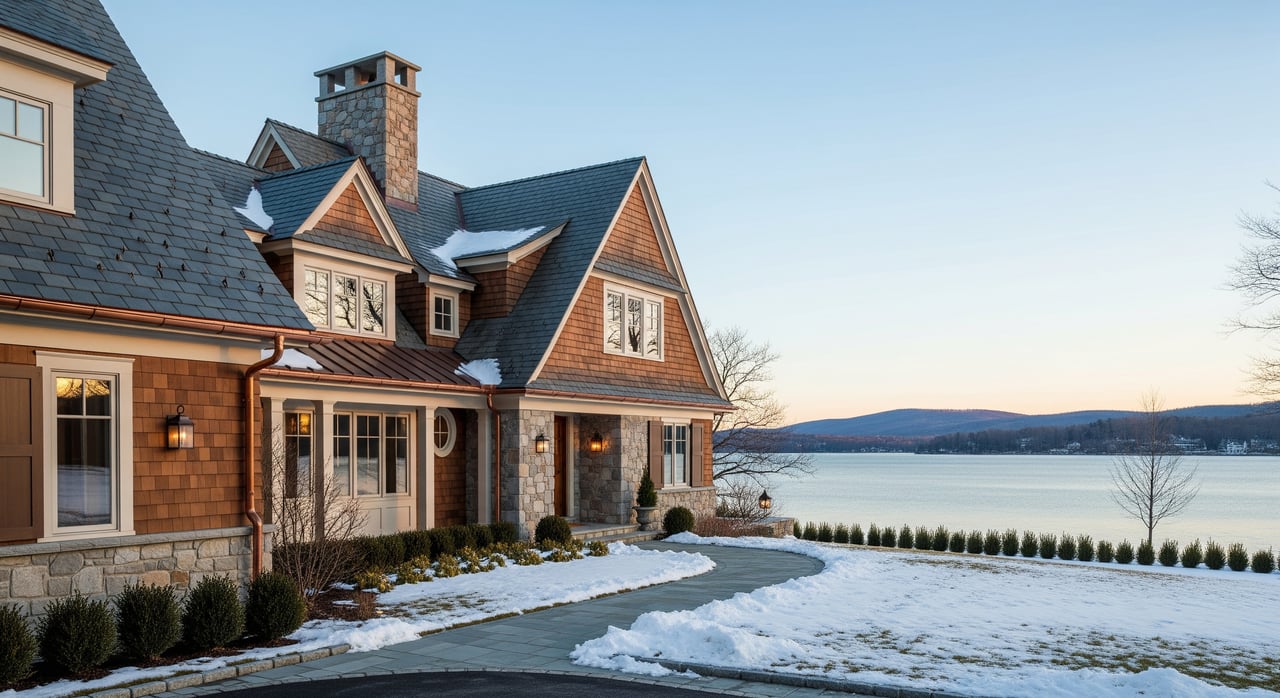
Lake-effect snow can show up fast in Skaneateles, and small issues can turn into big repairs if you are not ready. If you want to protect your home and keep curb appeal strong for a spring listing, a focused winter plan will make a real difference. In this guide, you will get a clear, step-by-step checklist tailored to our local weather, safety reminders, and when to bring in a pro. Let’s dive in.
Why winter prep matters in Skaneateles
Skaneateles sees the same lake-effect patterns that impact much of Onondaga County, which means heavy, localized snow and frequent freeze and thaw cycles. Those swings can lead to ice dams, roof leaks, and foundation stress. They can also stress older mechanical systems and leave sidewalks and driveways unsafe if you are not prepared. Staying ahead of these issues helps you avoid emergency calls and shows buyers a well-cared-for home.
For weather alerts and storm timing, check the National Weather Service forecast for Central New York. You can also review regional climate patterns through NOAA’s National Centers for Environmental Information to understand typical winter ranges.
- National Weather Service Central NY forecast office: NWS Binghamton
- NOAA climate normals and summaries: NOAA NCEI U.S. Climate Normals
Late fall checklist: set the foundation
Exterior
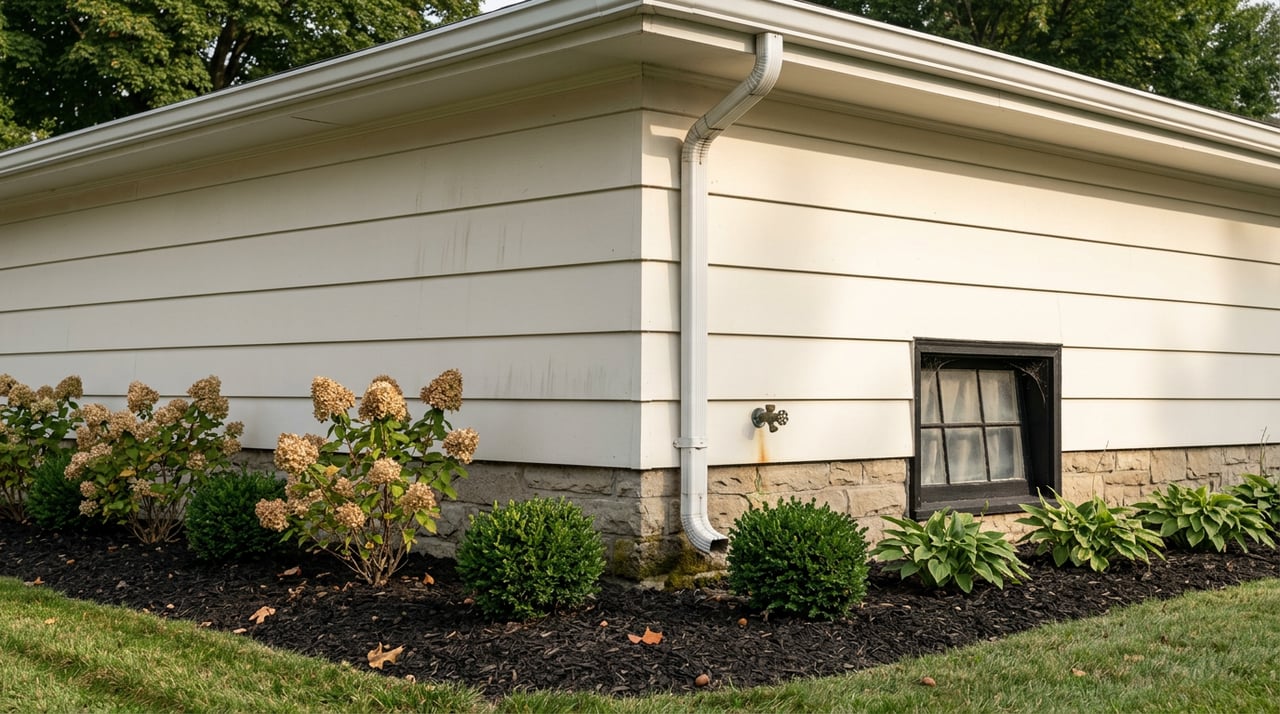
- Clean gutters and downspouts, then confirm extensions carry water away from the foundation.
- Inspect the roof for missing shingles, loose flashing, cracked seals, or sagging areas. Note the roof age for your records, which helps with future listing disclosures.
- Service the chimney and repair loose bricks or cracked mortar. Repoint and reseal as needed.
- Trim branches that could fall on the roof or lines during heavy snow.
- Drain and shut off exterior hose bibs to prevent frozen fixtures.
Systems
- Schedule annual service for your furnace, boiler, or heat pump. Replace filters and test your thermostat.
- Test smoke and carbon monoxide detectors and place them on every floor and near sleeping areas. The CDC’s CO safety guidance is a helpful reference.
- Insulate exposed plumbing in unheated spaces and locate your main water shutoff.
- Test your sump pump. If basement flooding would be a major risk, consider a battery backup or generator-ready setup.
Interior
- Add attic insulation where levels are low and ensure vents are clear to reduce heat loss into the attic. Good insulation and ventilation help prevent ice dams. Find energy-saver tips at Energy.gov.
- Seal drafts with weatherstripping and caulk around doors, windows, and penetrations.
- Manage indoor moisture. Use bathroom and kitchen fans to limit condensation that can contribute to ice buildup.
- Document any pre-existing stains or water marks with photos for future disclosures and insurance.
Property and access
- Line up a snow removal plan for your driveway and sidewalks. Decide if you or a contractor will handle it.
- Stock deicing materials. Calcium chloride works at lower temperatures than standard rock salt, and sand adds traction without the corrosive effect. Use sparingly to protect your concrete and landscaping. The EPA’s guidance on road salt and water quality offers environmental best practices.
- Check exterior lighting so entries and walkways are well lit.
First snow and early winter: set your routine
- Put your roof snow plan into action. After heavy wet snow, safely remove excess or call a professional.
- If you have had ice dams before, consider temporary heat cables in those trouble spots, but only after addressing insulation and ventilation first.
- Prepare for power outages. Review winter storm tips at Ready.gov. If you use a generator, place it outside and away from windows, never in a house or attached garage. Review CO safety basics at the CDC CO page.
Midwinter monitoring: stay ahead of problems
- After storms, check the attic and upper walls for new stains, dampness, or frost on nails, which can signal an ice dam or ventilation issue.
- Watch rooflines for heavy, uneven snow loads and ice ridges. Call a pro if you see sagging or active leaks.
- Keep sidewalks and steps clear. Reapply deicer as needed and avoid over-salting.
- Verify sump pump operation after thaw cycles and rain-on-snow events.
Exterior priorities to prevent damage
- Roof and flashing: Look for missing shingles, exposed nails, or loose flashing around chimneys and vents. If you see repeated leaks or sagging, schedule an inspection.
- Gutters and downspouts: Keep channels clear so meltwater flows away from the house. Confirm splash blocks or extensions carry water well away from the foundation.
- Ice dam prevention: Focus on attic insulation and ventilation first. Avoid heating the attic to melt snow, since that can make dams worse over time.
- Masonry and siding: Watch for cracks or gaps that can widen with freeze and thaw cycles. Seal or repair to keep moisture out.
Interior and systems checklist
- Heating system: Replace filters, monitor for unusual smells or sounds, and schedule service if your unit is older or acting up.
- CO and smoke detectors: Test monthly and replace batteries. Add extra units near bedrooms if needed.
- Plumbing: Insulate pipes in basements, crawl spaces, and garages. In extreme cold, allow a small drip from vulnerable fixtures and open cabinet doors to warm pipes.
- Sump pump: Test by pouring water into the basin and confirm discharge away from the foundation. Add a backup power source if you have a history of water in the basement.
- Electrical: If you see corrosion, scorch marks, or tripped breakers that do not reset, contact a licensed electrician.
Property access and curb appeal
Keeping paths, steps, and the driveway clear is a safety priority and supports curb appeal for a spring listing. Refill deicer and sand before storms, and check that your mailbox is accessible for plow crews. Motion lighting at entries and along walkways improves safety and shows buyers a well-tended home in winter.
When to call a pro
- Active leaks or new water stains after snow or ice events.
- Repeated ice dams even after adding insulation and ventilation.
- Noticeable roof sagging or many missing shingles, or roof age near 20 years.
- Furnace or boiler issues, strange odors, soot, or frequent cycling.
- Frozen or burst pipes, or plumbing runs in inaccessible uninsulated areas.
- Sump pump failure during testing, or a history of basement flooding.
- Fallen limbs on the house or lines, or any suspected structural damage.
Ask for written estimates, confirm licenses where required, and verify insurance coverage. Keep invoices and inspection reports in a folder that you can share with buyers later.
Local rules and useful resources
- Sidewalks and parking: Many Onondaga County communities require sidewalk clearing within a set time after snowfall and restrict street parking during plowing. Check Village of Skaneateles ordinances and county winter parking rules for exact time frames.
- Permits: Roof replacement, structural repairs, and significant chimney work may require permits. Contact local building departments before work begins.
Helpful links
- Winter storms and outage prep: Ready.gov winter weather guide
- Weather alerts and forecasts: National Weather Service Central NY
- Carbon monoxide and generator safety: CDC CO safety
- Energy-saving and weatherization basics: Energy.gov Energy Saver
- Deicing and the environment: EPA road salt guidance
- Local alerts and emergencies: Onondaga County Emergency Management
Planning a spring sale? Put your winter work to work
If you are targeting a spring listing, these steps protect value and help your home show well. Keep a simple record of what you did this winter, including service dates, receipts, and before and after photos. Buyers appreciate clear maintenance history, and it can reduce questions at inspection. Tidy snow removal and safe access also make a positive first impression at winter showings.
If you want a quick walkthrough to prioritize fixes for resale, or you need local contractor recommendations, reach out to Lori Harrington. We can align your winter plan with your spring goals so you sell with confidence.
FAQs
How do I prevent ice dams on Skaneateles homes?
- Improve attic insulation and ventilation first, keep gutters clear, and only consider roof heat cables in known trouble spots after you address insulation and airflow.
What should I know about sidewalk rules in winter?
- Many communities require owners to clear sidewalks within a set time after snowfall and restrict street parking during plowing, so check Village of Skaneateles and county rules.
Which deicer works best in very cold weather?
- Calcium chloride performs better than standard rock salt at lower temperatures, and sand adds traction without the corrosive effect when used sparingly.
What should I do if my sump pump fails during a storm?
- Reduce water use, check the discharge line for ice, use a backup pump if available, and contact a plumber or waterproofing specialist if the pump does not restart.
Is generator use safe during power outages?
- Place generators outside and away from windows, never in a house or attached garage, and use CO detectors on every floor and near sleeping areas per CDC guidance.