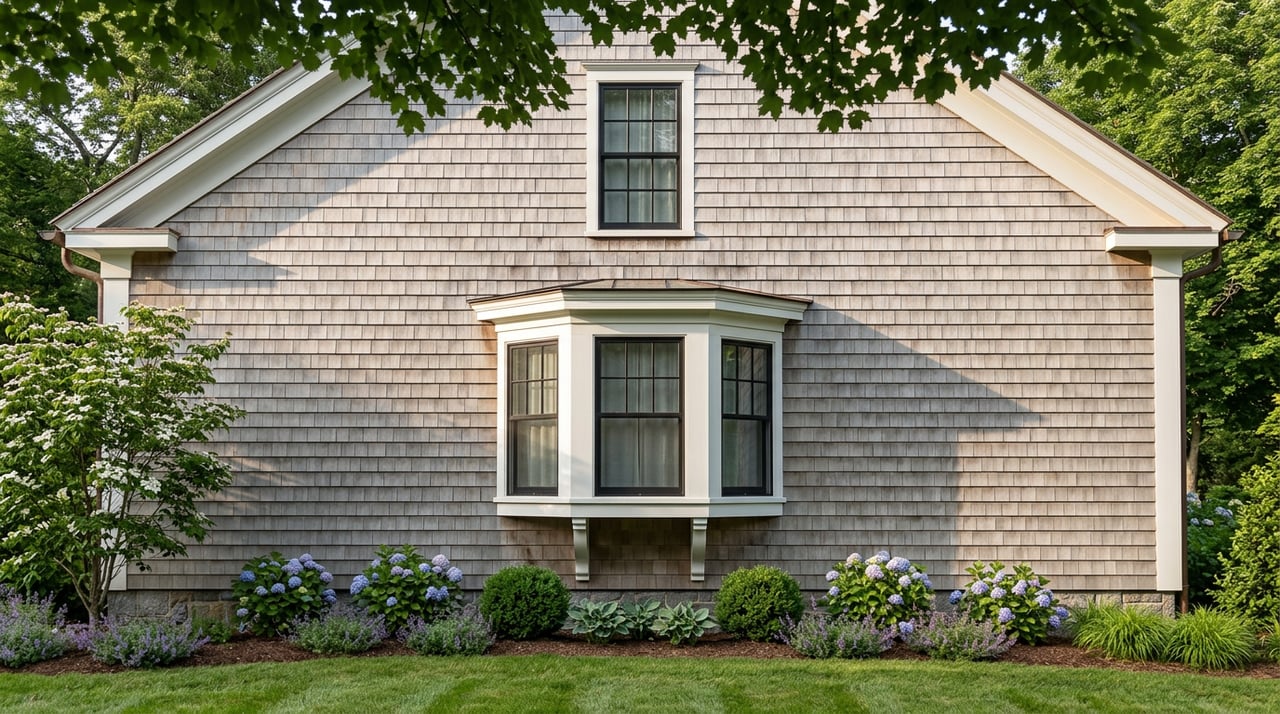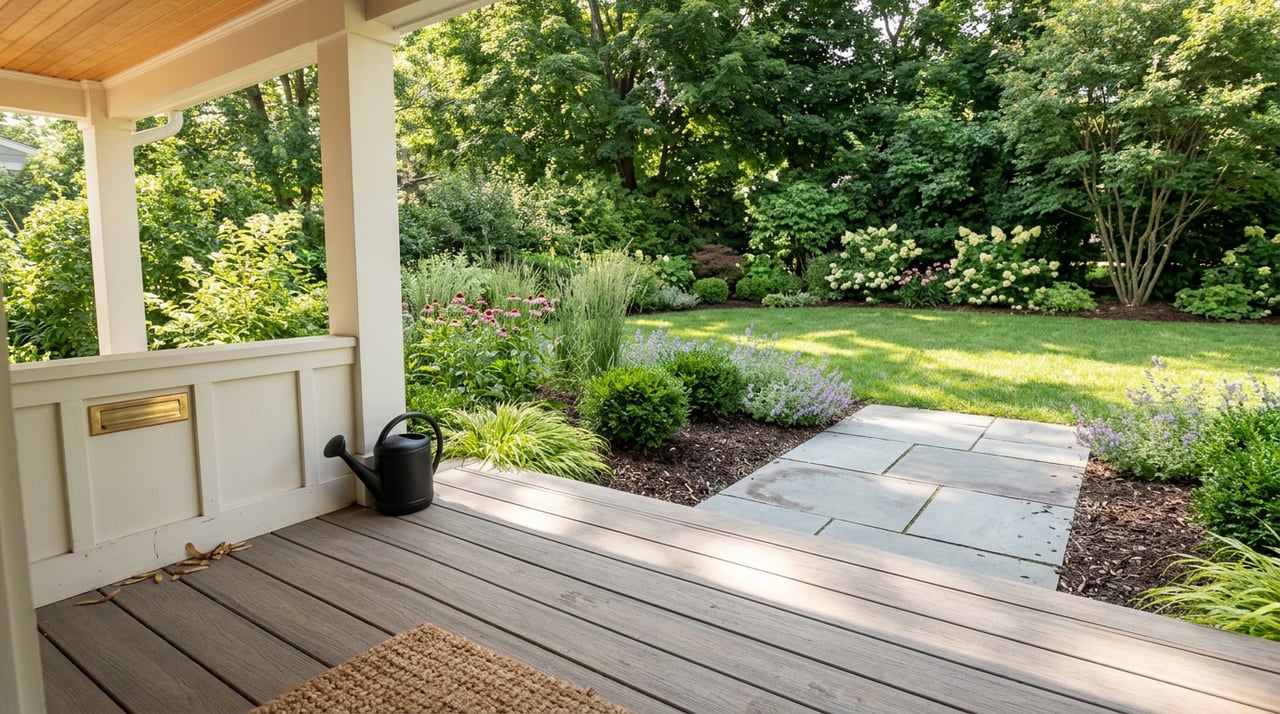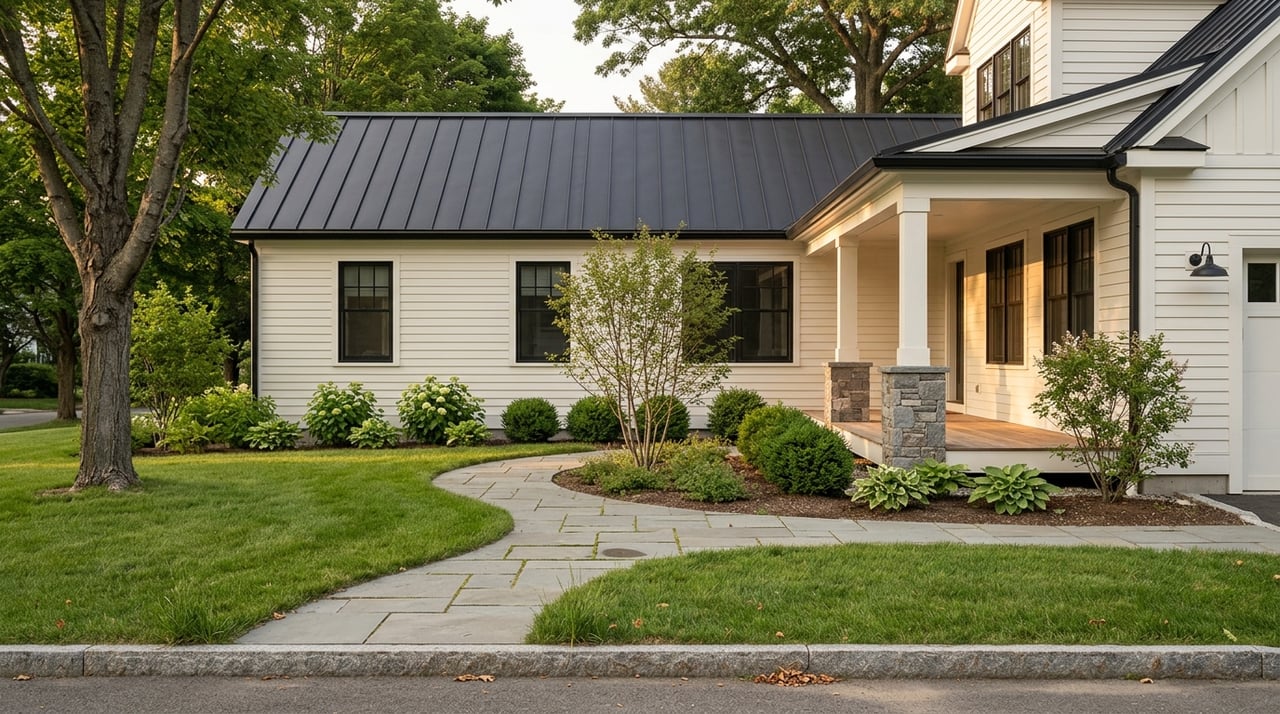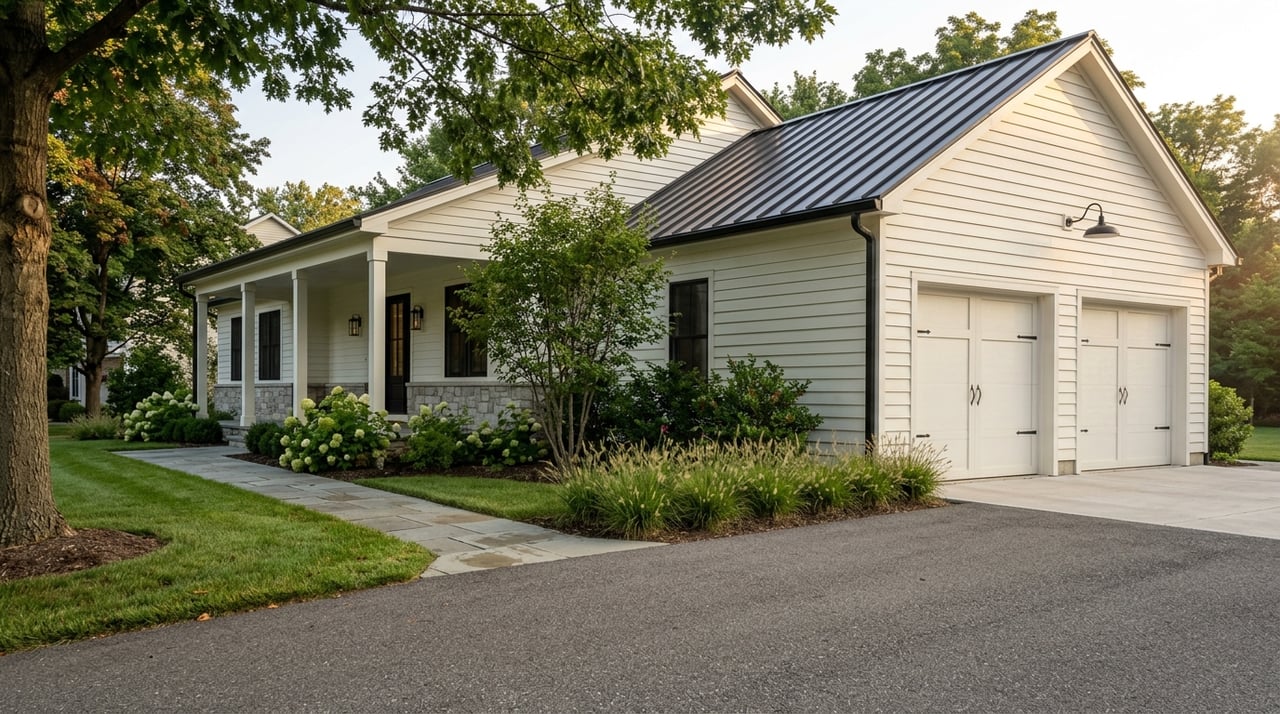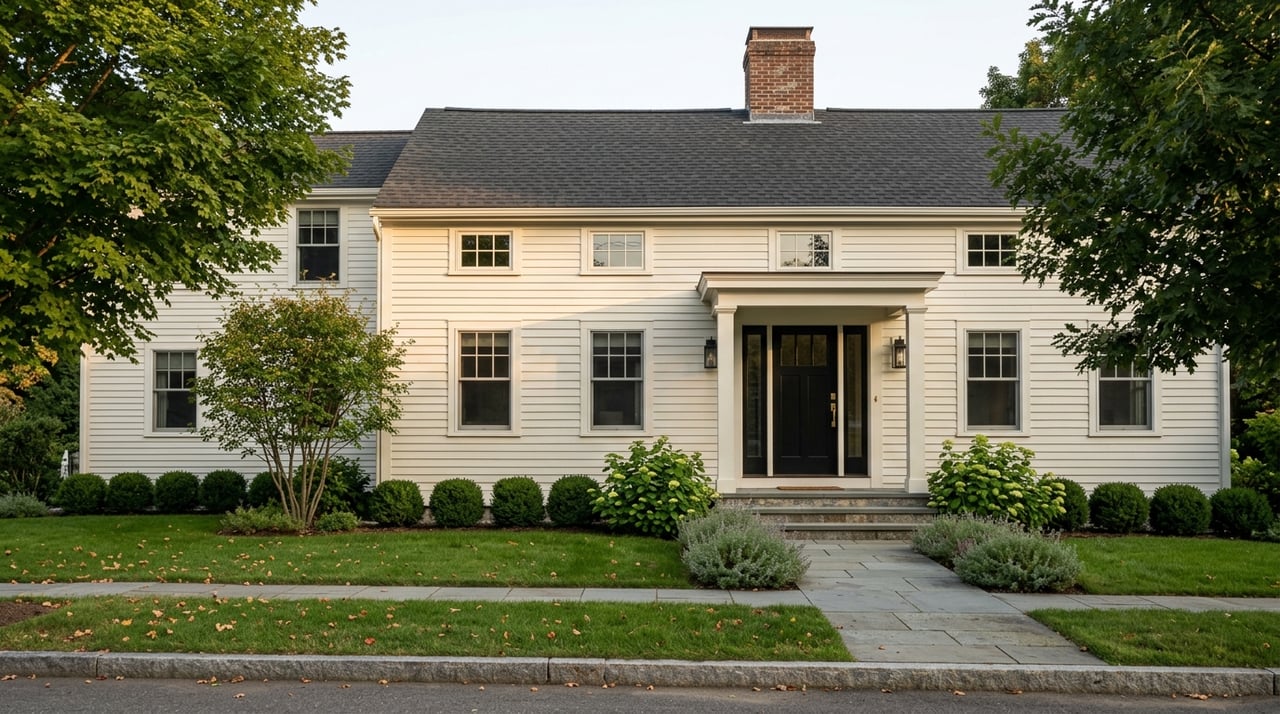
If you own an older home in Onondaga, you may be wondering whether buyers will see charm or just a to-do list. That is a fair concern, especially in a market where buyers often compare condition, comfort, and monthly operating costs as closely as they compare price. The good news is that you do not need to erase your home’s character to make it more appealing. You just need to focus on the updates that matter most to today’s buyers. Let’s dive in.
Why older homes need a smart prep plan
Older homes are a major part of the housing stock in Onondaga County. The county’s 2025 Community Health Assessment reports that 22.8% of housing units were built in 1939 or earlier, and 71.2% were built in 1979 or earlier. That means many local buyers already expect to see older materials, older layouts, and signs of age.
What buyers do not want is uncertainty. The same county report notes that older homes are more likely to contain hazards such as lead paint and, if poorly maintained, mold, pests, and fire risks. In ZIP code 13027, where the market is largely single-family and owner-occupied, buyers are especially likely to notice how a home feels to live in day to day.
In practical terms, that means your prep plan should start with function and safety. Cosmetic touches matter, but they usually work best after you have addressed the issues that affect comfort, maintenance, and buyer confidence.
What buyers in 13027 tend to notice
In 13027, about 69% of housing is owner-occupied, 71% of homes are single-unit structures, and the median owner-occupied value is $246,800. That profile points to a market where many buyers are looking for a home that works well for everyday living, not just one with visual appeal. They are often weighing space, upkeep, and monthly costs together.
National buyer data supports that mindset. The 2024 Home Buyers and Sellers Generational Trends report found that buyers often make tradeoffs, with price being the most common. It also found that buyers rated heating and cooling costs, windows, doors, siding, energy-efficient lighting, and energy-efficient appliances as very important features.
That does not mean every older home must look brand new. It does mean buyers are likely to respond better when an older home feels cared for, efficient, and ready for move-in. Even if they appreciate original details, they still want to feel confident that the big basics are under control.
Start with safety and compliance
Address lead concerns early
If your home was built before 1978, lead-based paint should be part of your preparation checklist. The EPA states that homes built before 1978 are more likely to contain lead-based paint, and disclosure rules apply before the sale or lease of most pre-1978 housing. Renovation work that disturbs painted surfaces must also follow lead-safe rules.
This is not a small detail to leave for later. If you know your home is older, it is wise to plan ahead before repairs or prep work begin. Taking a lead-safe approach helps protect your household during the work and can also make the sale process smoother.
Check for radon risk
Radon is especially important in Onondaga County. The county says this is a high-risk area for radon, with an average basement radon level of 8.1 pCi/L and nearly half of tested homes above the EPA action level of 4 pCi/L. The county also makes it clear that testing is the only way to know a home’s level.
For sellers, this matters because radon can quickly become a buyer concern during inspections. Testing before listing can help you understand where you stand and decide whether any mitigation steps are needed before your home goes on the market.
Confirm permits and approvals
Older homes often have a long history of updates, repairs, and additions. Before listing, it is worth checking that major plumbing, electrical, or structural work has the proper approval. Onondaga County states that plumbing installations must be reviewed and permitted by Plumbing Control, and the Town of Onondaga requires building permits for work that must meet state code and local zoning.
If paperwork is missing or work was done without required approvals, buyers may hesitate. Sorting that out early can prevent delays and reduce the chance of last-minute surprises.
Improve comfort and operating costs
Focus on drafts, insulation, and moisture
Once safety and code issues are addressed, the next priority is comfort. Older homes often have less insulation than newer ones, and the U.S. Department of Energy recommends a whole-house weatherization approach that includes air sealing, insulation, moisture control, and ventilation.
That guidance fits local conditions well. Onondaga County reports about 41.5 inches of precipitation per year and many freezing days, which helps explain why buyers tend to notice cold rooms, drafts, and damp basements. If your home feels more comfortable during showings, buyers are more likely to picture themselves living there.
Evaluate window performance
Windows can be a major talking point in older homes. Buyers may love original trim and style, but they still notice foggy glass, rattling sashes, or rooms that feel chilly. The Department of Energy notes that low-e storm windows can save 12% to 33% on heating and cooling costs, depending on the existing window.
That does not mean you always need a full window replacement before selling. In many cases, improving window performance and reducing air leaks may be enough to strengthen buyer impressions while keeping prep costs more reasonable.
Look at everyday efficiency
Today’s buyers often pay attention to how expensive a home may be to own. Buyer trend data shows strong interest in energy-efficient lighting and appliances, along with manageable heating and cooling costs. In an older home, even modest efficiency improvements can help the house feel more current and less intimidating.
Simple upgrades may include better lighting, replacing worn weatherstripping, servicing heating equipment, or updating older appliances if they are visibly dated or inefficient. These are not flashy changes, but they can support the impression that the home has been responsibly maintained.
Save cosmetic updates for the right places
After safety, compliance, and comfort are in better shape, then it makes sense to think about appearance. This order matters. Buyers are often willing to accept some older finishes, but they are less comfortable taking on unknown repairs.
The goal is not to strip away the personality of an older Onondaga home. The goal is to help buyers enjoy that character without being distracted by worn surfaces, poor lighting, or signs of neglect.
Brighten the home for photos and showings
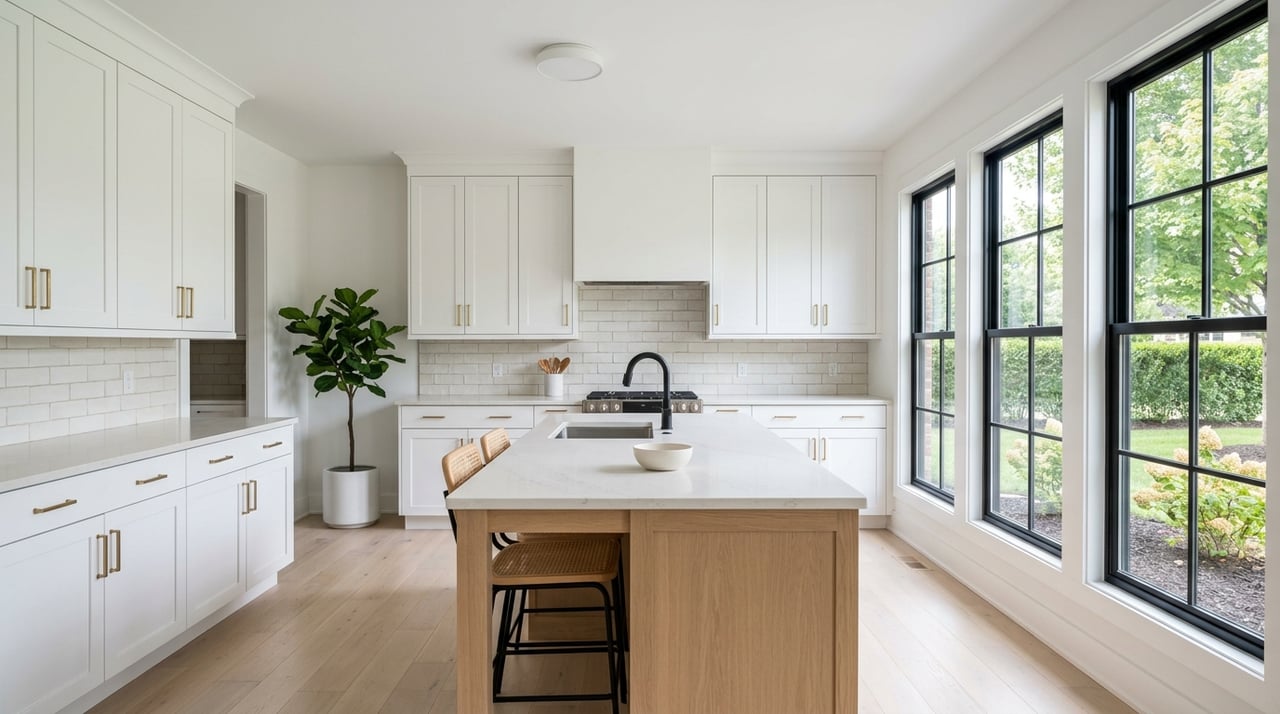
Most buyers begin their search online, and photos play a major role in which homes they choose to visit. That means presentation is part of marketing, not just cleanup. A dim or crowded room can make a home feel smaller and harder to maintain, even if the layout is functional.
NAR’s 2025 staging findings support this. Nearly half of sellers’ agents said staging reduced time on market, and 29% said staging increased the dollar value offered by 1% to 10%. In older homes, the best staging choices are often practical ones that make rooms feel brighter, cleaner, and easier to understand.
Use simple staging choices
NAR’s staging guidance highlights a few approaches that are especially useful in older homes:
- Let natural light in
- Use neutral wall colors
- Streamline décor
- Open up tight spaces where possible
- Replace worn carpeting with wood, vinyl, or tile where appropriate
- Show flexible uses for rooms
- Add shelving or storage where it helps function
These changes can help buyers focus on the home itself instead of your belongings or the home’s age. They also tend to photograph well, which matters in a market where online browsing shapes first impressions.
A practical order of work
If you are unsure where to spend money before listing, a simple priority order can help. Based on local housing conditions, local health and permit guidance, and current buyer preferences, the smartest path is usually to handle the big issues first and the finishing touches last.
Here is a practical sequence to consider:
- Fix safety concerns such as lead-related issues, moisture problems, pests, or fire risks
- Test for radon and address results if needed
- Verify permits or approvals for major work
- Improve comfort with air sealing, insulation, ventilation, and moisture control
- Tackle visible efficiency issues such as poor lighting, drafty windows, or outdated appliances
- Finish with paint, flooring, decluttering, and staging
This approach helps you protect your budget. It also aligns your prep work with what many buyers are actually evaluating when they walk through an older home.
Preparing your home to compete
In a market like 13027, older homes can compete well when they feel solid, cared for, and easy to live in. Buyers may appreciate original charm, but they still want reassurance that the home will not come with immediate surprises. That is why the best pre-listing improvements are often the ones that reduce uncertainty.
If you are getting ready to sell, it helps to have a plan that balances return, timing, and buyer expectations in your specific neighborhood. Lori Harrington can help you decide which improvements are worth making before you list and how to position your home for today’s Onondaga buyers.
FAQs
What should sellers fix first in an older Onondaga home?
- Start with safety and code-related items, then move to comfort and energy efficiency, and save cosmetic updates for last.
Why is radon important when selling a home in Onondaga County?
- Onondaga County identifies the area as high risk for radon, and testing is the only way to know your home’s level.
Do pre-1978 homes in Onondaga need lead-related attention before listing?
- Yes, pre-1978 homes are more likely to contain lead-based paint, and sellers must follow applicable disclosure requirements before sale.
What do buyers in ZIP code 13027 tend to value most?
- In this largely owner-occupied single-family market, buyers are likely to pay close attention to condition, comfort, usability, and operating costs.
Is staging worth it for an older home in Onondaga?
- It can be, since staging may help reduce time on market and improve how buyers respond to the home online and in person.